Lamu Culinary Institute
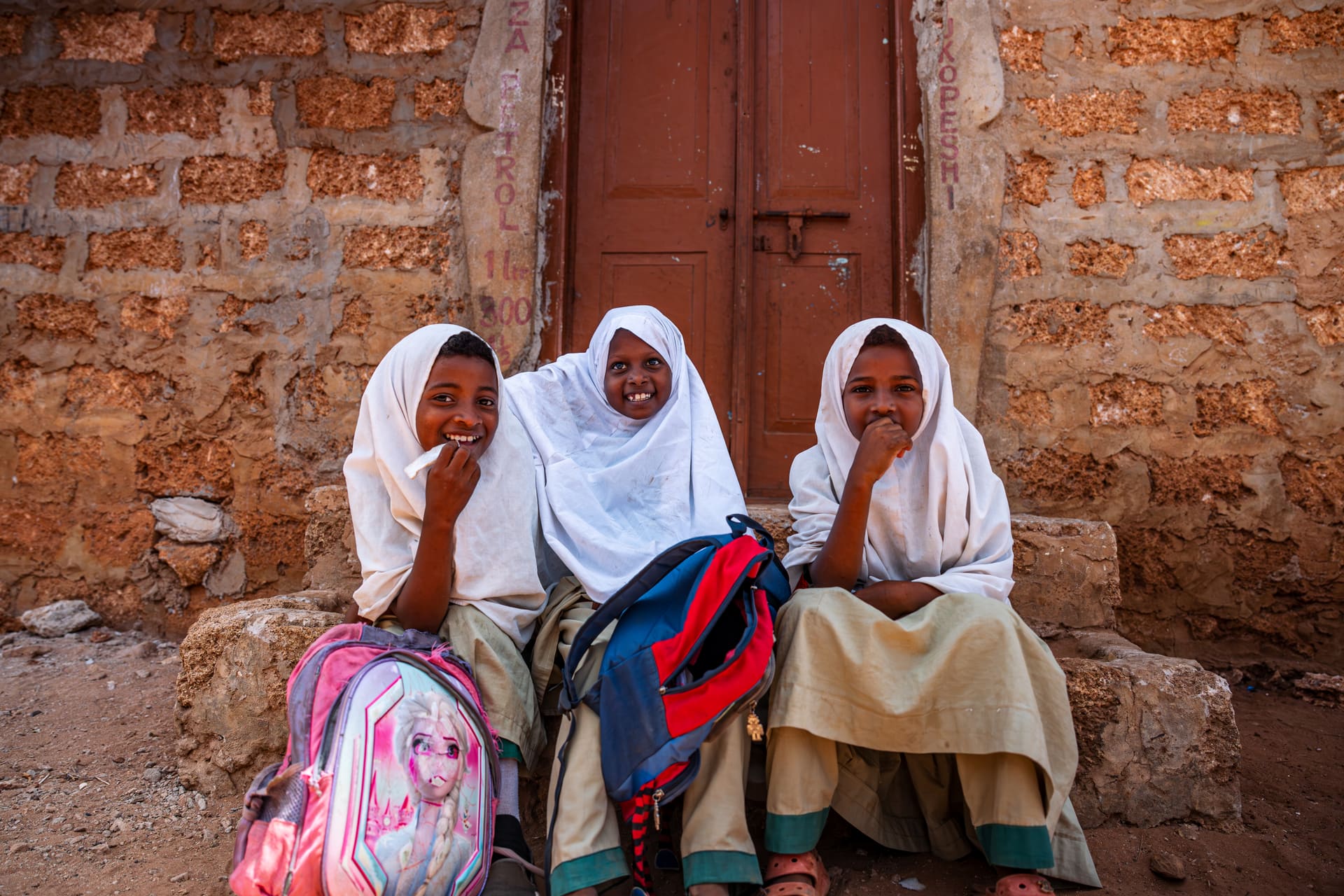
Lamu's economy runs on tourism, and tourism runs on hospitality. But most of the skilled work in the island's hotels and restaurants goes to people from elsewhere — while local youth, and local women in particular, are left with few routes into the industry built around them.
The Lamu Culinary Institute is being built to change that.
What it is
The Institute will be Kenya's first dedicated culinary training facility, offering a twelve-to-eighteen-month program in cooking, hospitality, and the business of running a kitchen. Each cohort will be 20 to 25 students, with a majority of places held for young women. Students will train where it matters: in a working restaurant and café, open to the public, serving real guests from the first week.
The curriculum is rooted in Swahili cooking — one of East Africa's richest and least documented culinary traditions. Food here is heritage, and the Institute treats it that way: as a source of pride, a living archive, and a foundation to build careers on.
Baraka House
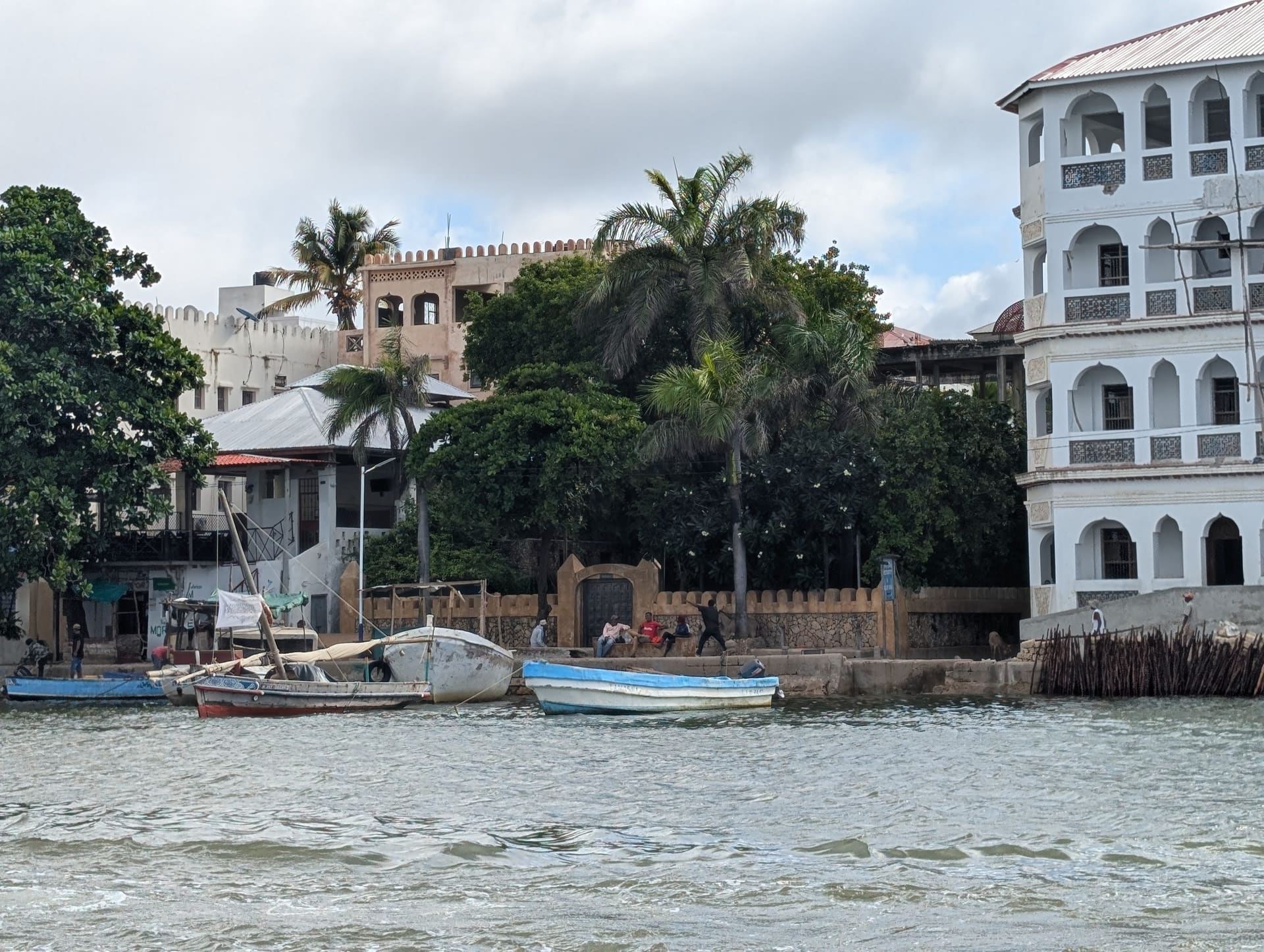
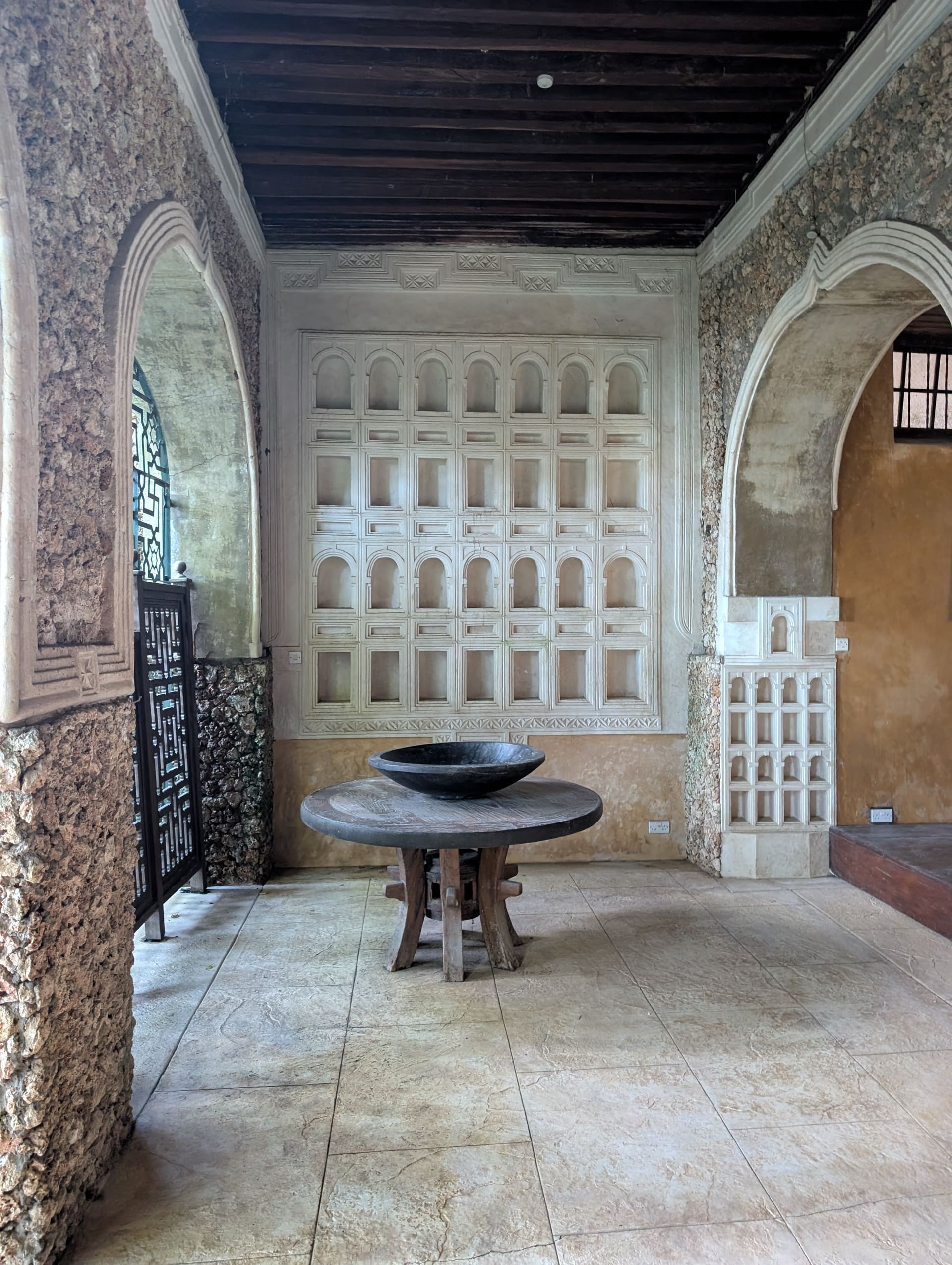
The Institute will operate out of Baraka House, a landmark building on the Lamu seafront in the heart of the UNESCO-protected Old Town. Originally an Ismaili mosque and later a restaurant and cultural space, Baraka House is being restored to house classrooms, a teaching kitchen, and the public training restaurant that anchors the program.
Partners and mentors
The Institute is being built in partnership with Geitmyra Culinary Center in Norway, founded by food writer and activist Andreas Viestad, whose model has trained more than 120 junior chefs for professional careers, and the Melting Pot Foundation, whose work in Bolivia, Denmark, and beyond has shown how a culinary school can transform a local food economy — most famously through Gustu in La Paz, which now anchors five alumni restaurants on Latin America's 50 Best list.
Central to the Institute's model is a program of visiting Michelin-starred chefs in residence, who will teach alongside the permanent faculty. The point is not only technical instruction: it is proximity. Working shoulder-to-shoulder with chefs of that calibre raises what a student in Lamu can picture for themselves — not just a job in a kitchen, but a career that could take them anywhere, and a craft that could one day put them at the top of the profession. Chefs who have lent their support to the vision include Eric Ripert of Le Bernardin in New York, Gabriela Cámara of Contramar in Mexico City, Gaggan Anand in Bangkok, and Kobus van der Merwe of Wolfgat in South Africa.
Where we are
The Institute is in its preparation year. Baraka House is being readied, the curriculum is being finalised, and partnerships with local schools, farmers, hotels, and visiting chefs are taking shape. The first cohort is expected to begin training in 2027.