
How change actually happens.

Archipelagus begins with a single conviction: the people closest to a challenge are its most powerful solvers. What they most often lack is the runway, resources, and institutional backing to act on what they already know. Everything we do is designed to close that gap — and to build something that holds long after we have moved on.

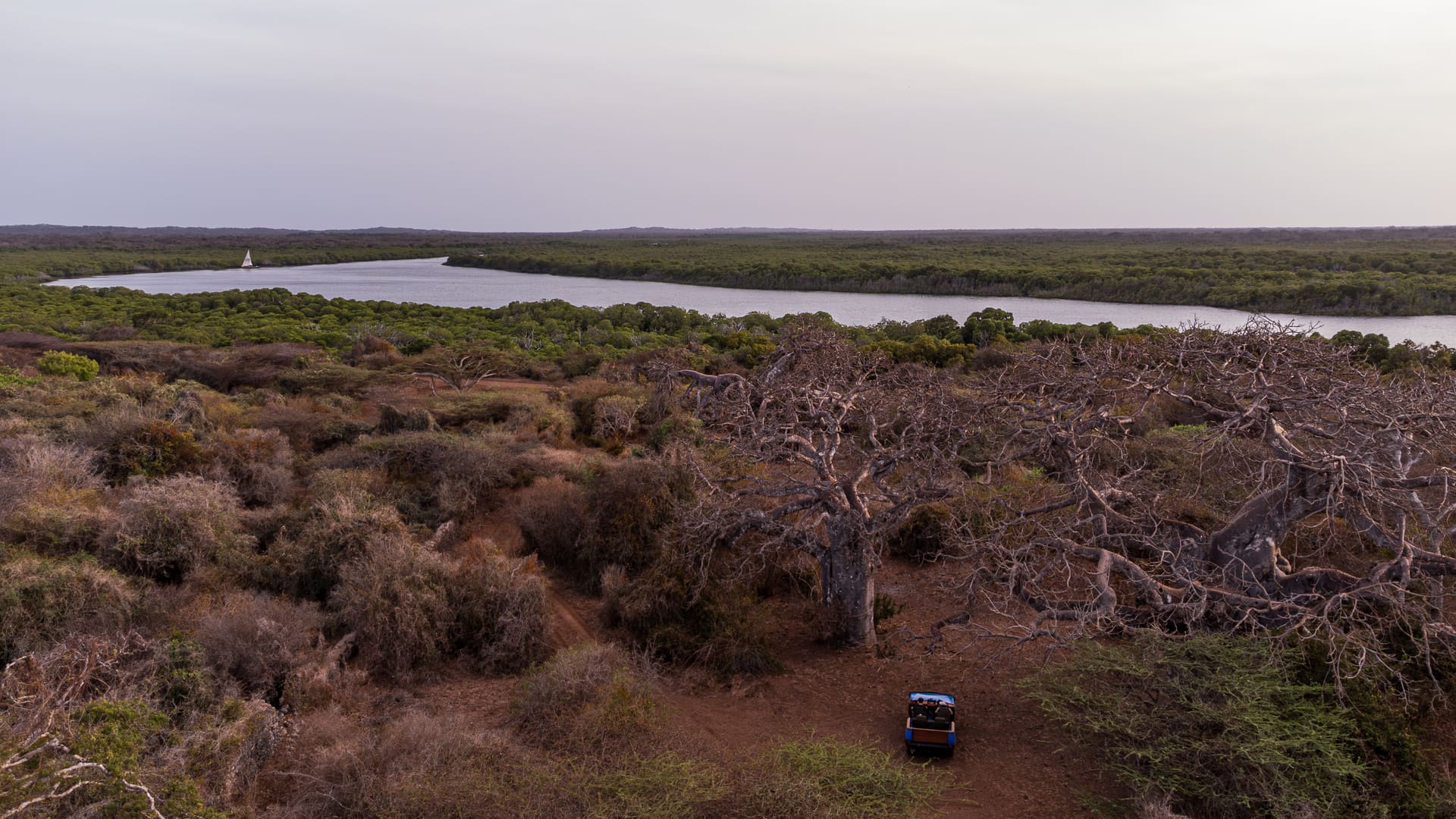
Archipelagus working landscape — Theory of Change page lead
Archipelagus working landscape (Theory of Change)

Our approach

Back the right people

We seek out individuals and communities already doing the work — those with deep roots, demonstrated commitment, and an understanding of what actually works in their context.

Indigenous knowledge and cultural tradition are foundational inputs, carrying generations of insight about how to live sustainably within a landscape. We invest in the capacity of these communities to lead through general operating support, governance infrastructure, and financial resilience.

Build institutions that outlast any single funder

Durable impact requires organisations capable of stewarding it — and most programmes fail not from lack of intention but from institutional fragility.

Over-dependence on a single donor, weak governance, and the absence of coordinating structures are what undermine good work over time. Archipelagus prioritises local governance, community-led coordinating bodies, and diversified funding architectures built to hold a strategy together for the long term.

Let science lead

Every strategy we build is grounded in rigorous scientific research — ecological monitoring, independent research partnerships, and academic collaboration that goes well beyond data collection.

Science is not a reporting tool for us; it is how we understand what is happening in a landscape, what interventions are working, and where to go next. Critically, we put that scientific capacity in service of local decision-making — so that the communities who know these places best are also the ones best equipped to protect them.

Make conservation a pathway to wellbeing

Where communities experience conservation as competing with survival, it will not last.

Insecure land tenure, resource conflict, and exclusion from conservation benefits make it rational to prioritise immediate survival over long-term ecological stewardship. We invest in approaches that make thriving ecosystems and thriving communities mutually reinforcing. When conservation demonstrably improves lives, communities become its most committed and enduring guardians.

Commit to long-term capital

Communities and ecosystems operate on longer timelines than most funding cycles allow — and we structure our commitments accordingly.

We commit to extended engagement that gives initiatives the runway to experiment, adapt, and succeed on their own terms — and to diversified funding spanning philanthropy, government, the private sector, and emerging mechanisms, so that progress is never held hostage to any single relationship.

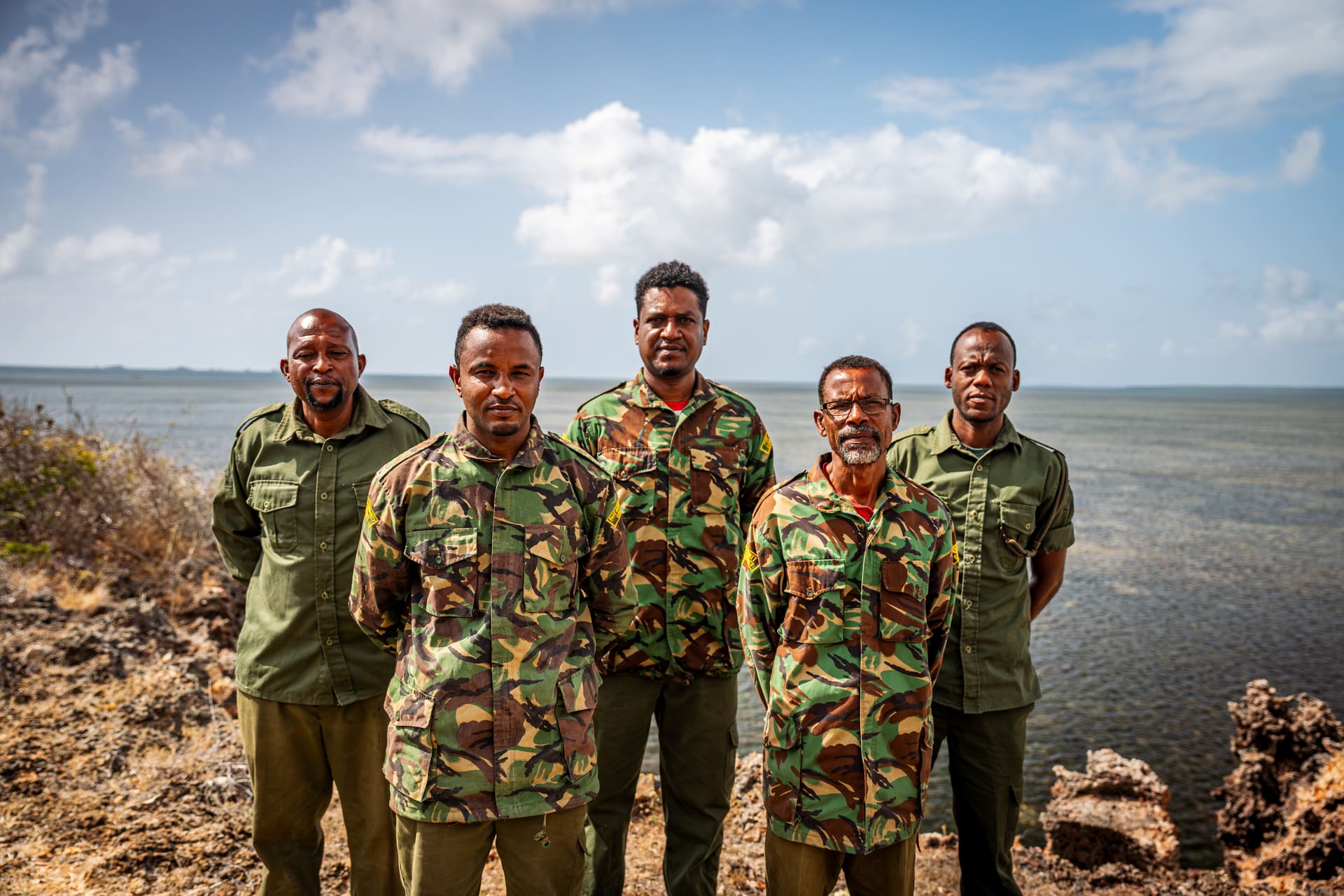
Northern Kenya landscape — Archipelagus working geographies
Archipelagus working landscape (Our Approach)

What success looks like

  1. In the near term (years 1–5)

    Functional community governance structures are in place. Land tenure is secured. Resource conflicts are declining. Communities are experiencing measurable improvements in livelihoods and access to services. These are the foundations without which nothing else holds.
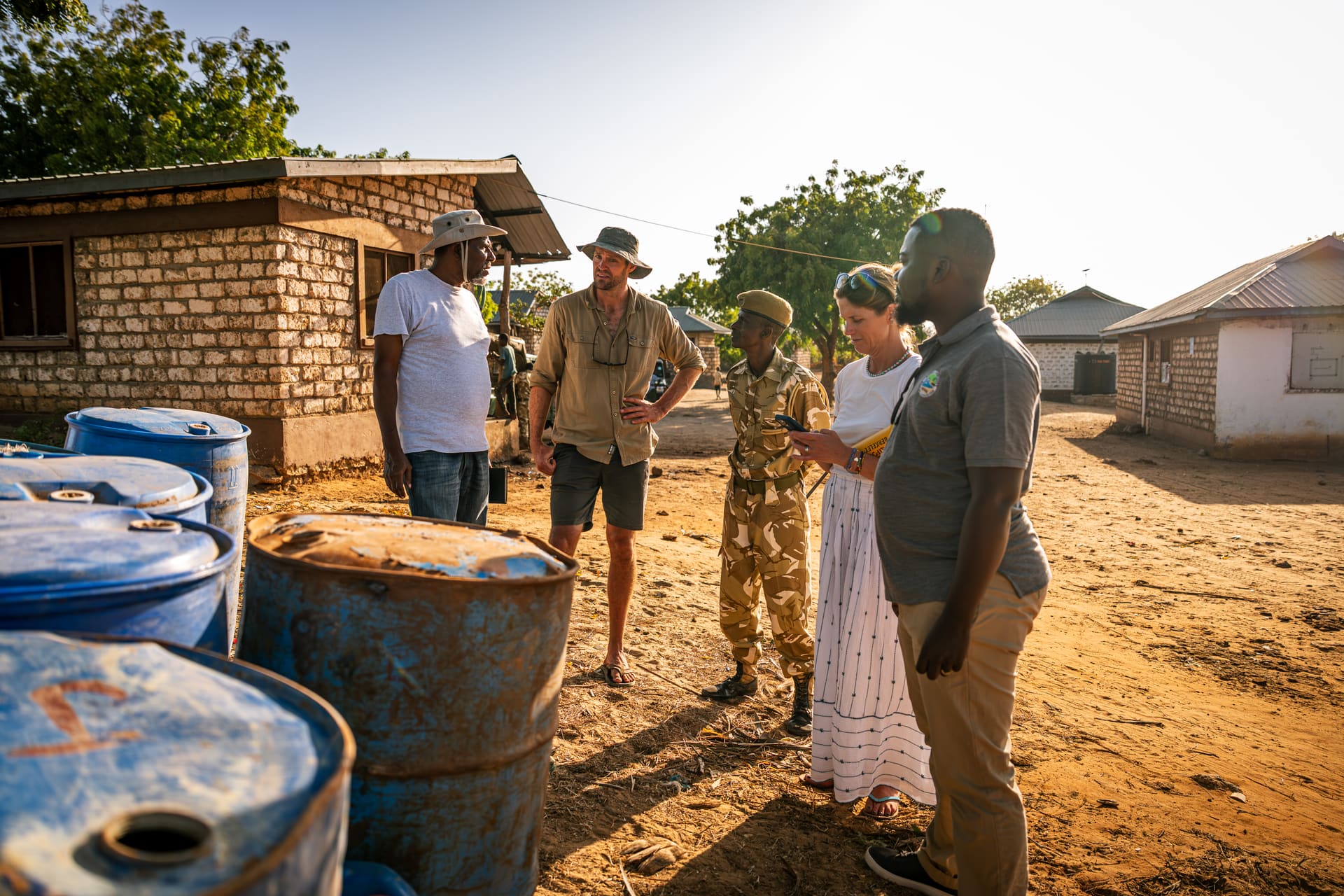
  2. Over the medium term (years 3–8)

    Conservation and livelihoods become visibly mutually reinforcing. Communities actively protect landscapes because doing so serves their interests. Governance bodies operate with greater autonomy, using data to guide their own decisions. Funding relationships diversify, reducing vulnerability to any single donor.

  3. In the long term (8 years +)

    We measure success by what no longer requires our presence: professionally governed, financially resilient community organisations capable of attracting and stewarding investment on their own terms; conservation models replicable at scale; and partnerships built on shared strategy rather than dependency.

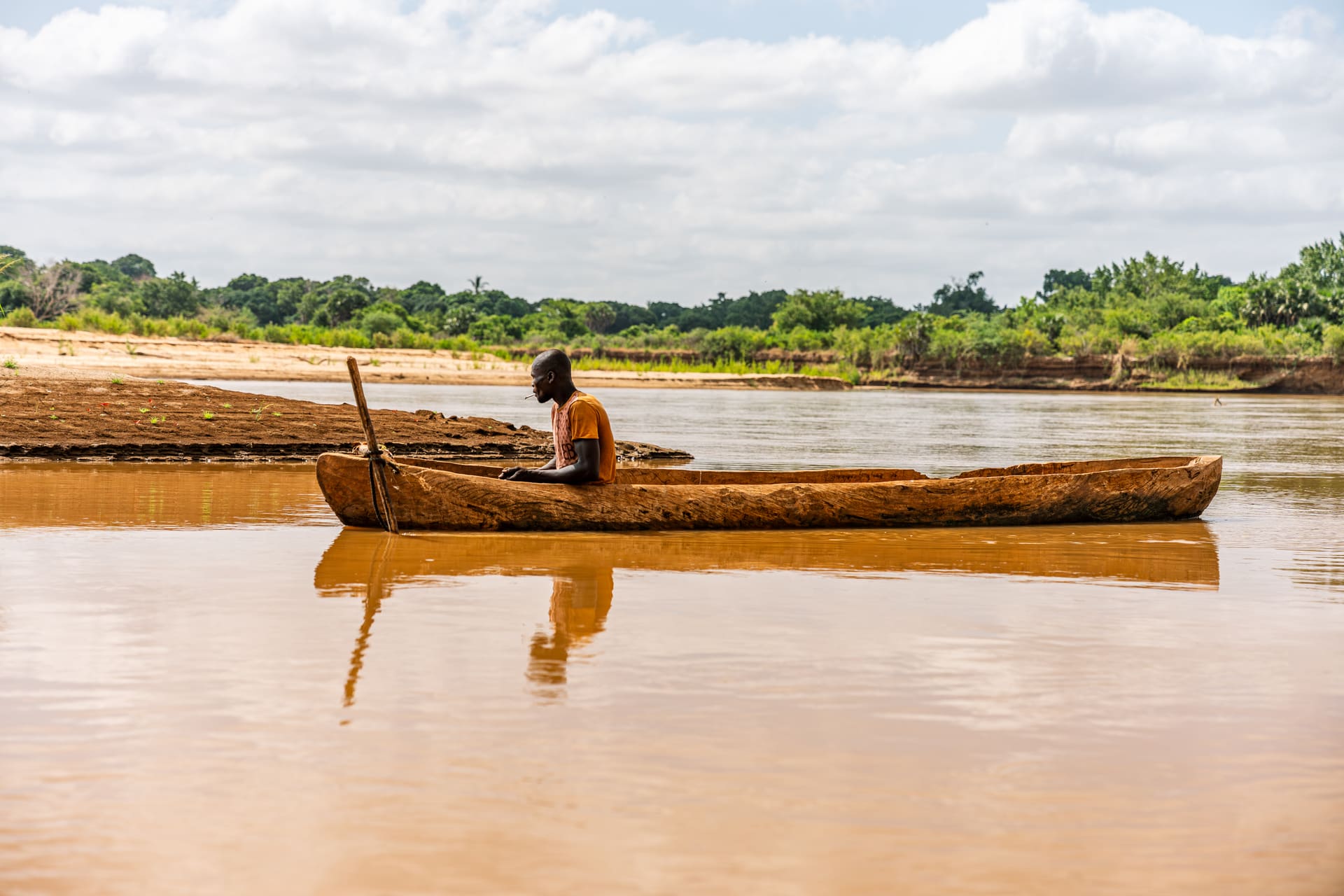
Lake Turkana landscape — long-horizon conservation outcomes
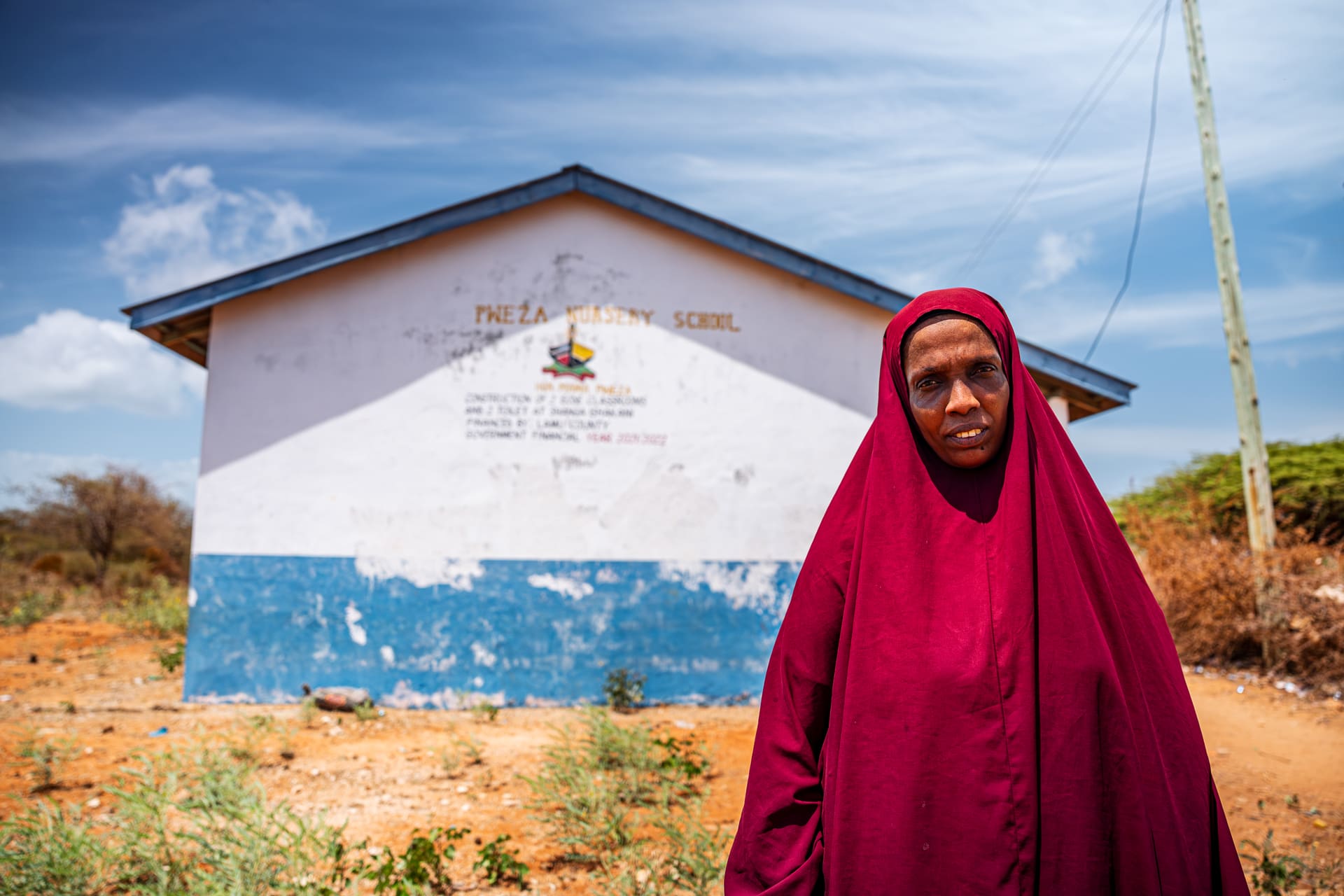
Northern Kenya rangelands — what success looks like over time

The convictions that shape where we work, how we invest, and what we stand for are here.

Our Guiding Principles

Please follow us for updates