6,000+ km²
Total protected parks and community lands
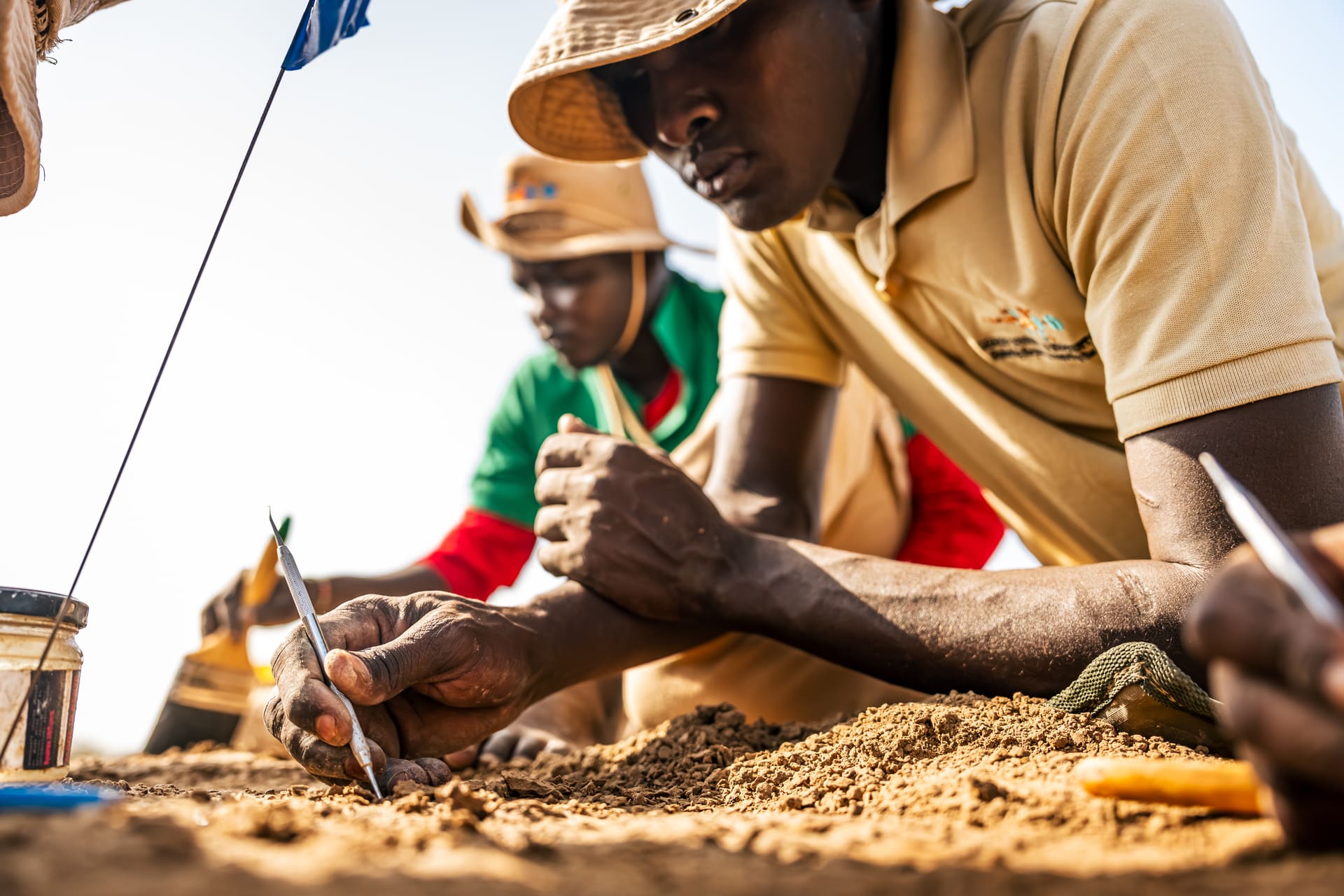
On the remote eastern shore of Lake Turkana, Sibiloi National Park holds one of the richest fossil archives on Earth — and one of Kenya's greatest opportunities for large-scale ecological restoration.
The winds created by Lake Turkana are constant and hot. The lake itself — the world's largest desert lake — stretches 250 kilometres through a basin of black lava, bleached grass, and open skies. Sibiloi National Park runs along its eastern shore: 1,570 square kilometres of volcanic ridgelines, fossil beds, and shoreline that shifts with the lake's rising and falling waters. It takes two to three days to drive here, or a charter flight. Together with the volcanic islands of Central Island and South Island to the south, Sibiloi forms the Lake Turkana National Parks — a UNESCO World Heritage Site, and one of the most remote protected landscapes on Earth.
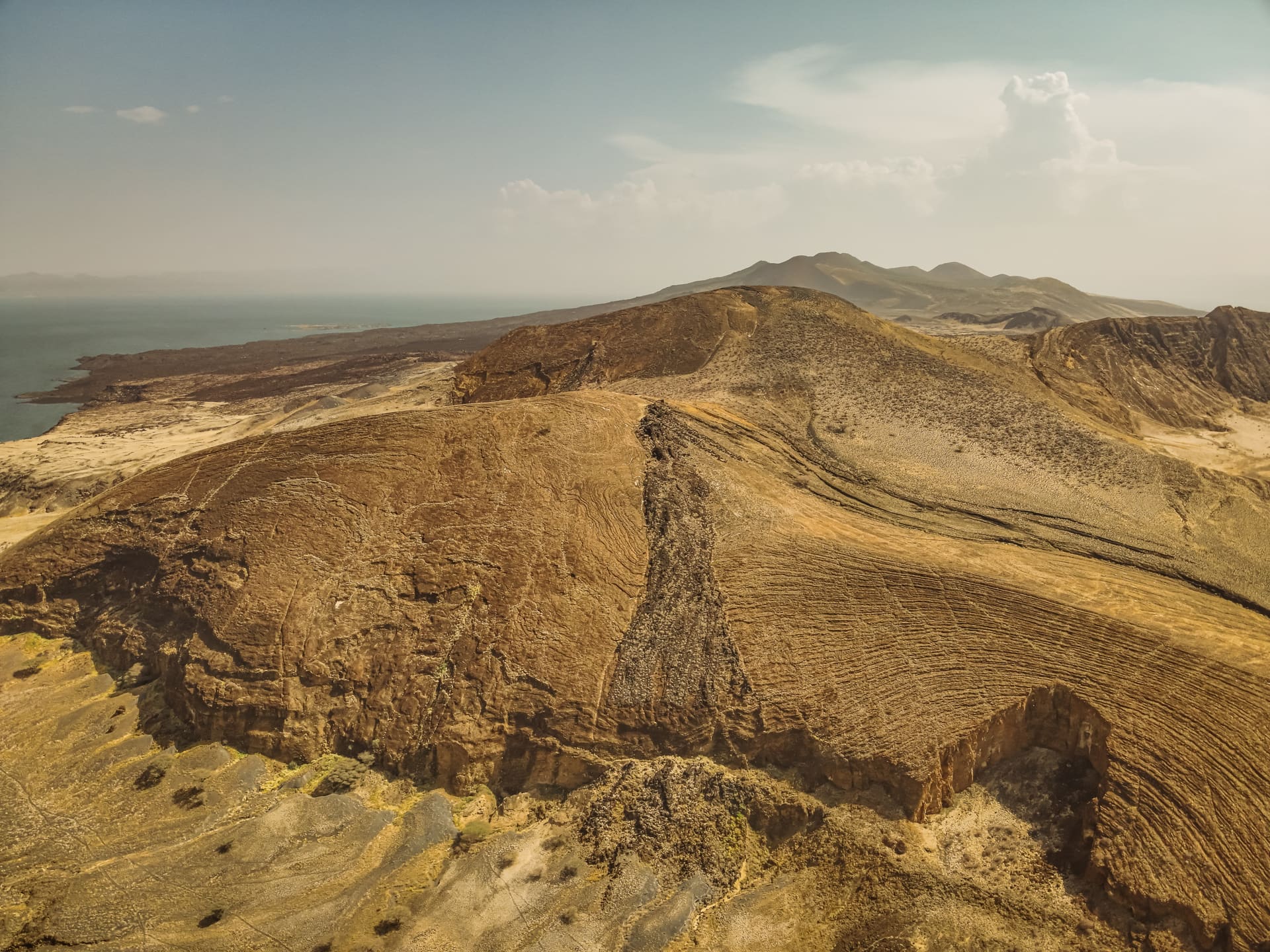
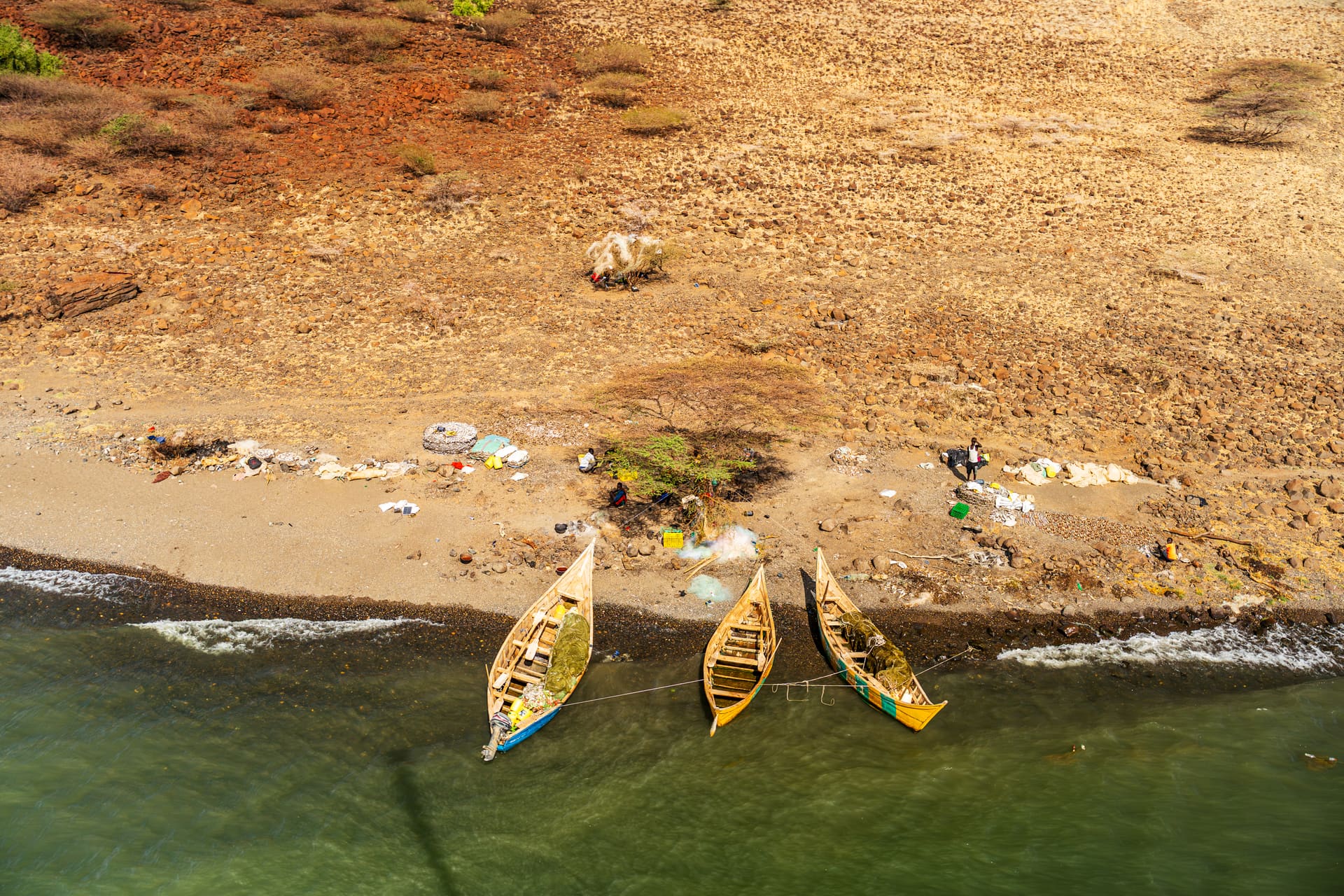
The Lake Turkana basin is a mosaic of protected parks and community-owned rangelands. Four peoples — the Gabra, Daasanach, Turkana, and El Molo — have lived here for generations, herding livestock across the rangelands and fishing the lake's shallows. Together, the three national parks and the community lands around them cover more than 6,000 square kilometres.
On Central and South Island, Nile crocodiles — some of them near a century old — haul out onto the same breeding beaches their ancestors used, and migratory waterbirds arrive each year in the thousands. Sibiloi itself shelters Kenya's only protected population of tiang — a striking antelope of the northern grasslands, now exceedingly rare.
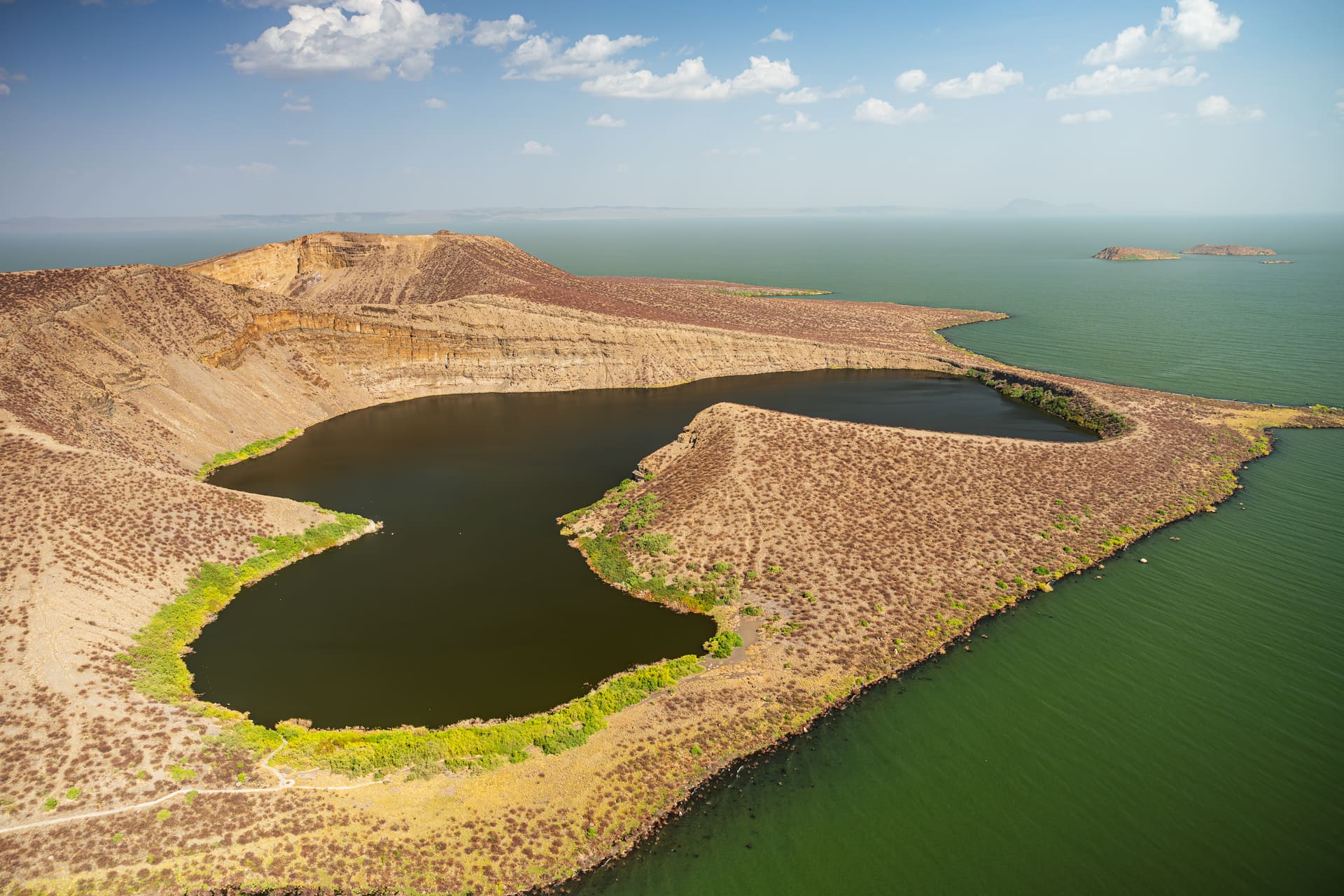
The ecosystem is faltering. Unregulated nets and long-lines are tearing through the lake's breeding grounds for fish, crocodiles, and soft-shelled turtles. The grasslands Sibiloi once supported have thinned and scarred. Species that defined the park within living memory — black rhino, Grevy's zebra, plains zebra, reticulated giraffe — are gone. As water and pasture grow scarce, conflict between communities has sharpened. The UNESCO World Heritage Site is now classified as "in danger."
And yet — the space and the ecological foundations remain intact. This is Kenya's greatest opportunity for large-scale terrestrial and marine restoration and wildlife reintroduction. Our work is already underway.
Kenya Wildlife Service offered a unique opportunity for a private entity to support them in protected area management. Archipelagus and WildLandscapes East Africa took up that role, and now work alongside KWS and a coalition of partners to support the implementation of the Lake Turkana National Parks Management Plan (2026–2036).
At the scientific core of the coalition is the Turkana Basin Institute, whose research stations have made the Koobi Fora fossil beds one of the most productive paleoanthropological sites in the world. The National Museums of Kenya anchors that legacy institutionally. The Kenya Marine and Fisheries Research Institute and the Kenya Fisheries Service bring expertise on the lake's aquatic systems. Community Land Management Committees govern the surrounding rangelands. And the South Island Trust works to protect critical fish and bird breeding sites in the south of the lake. County governments, scientific partners, and community governance structures complete the picture.
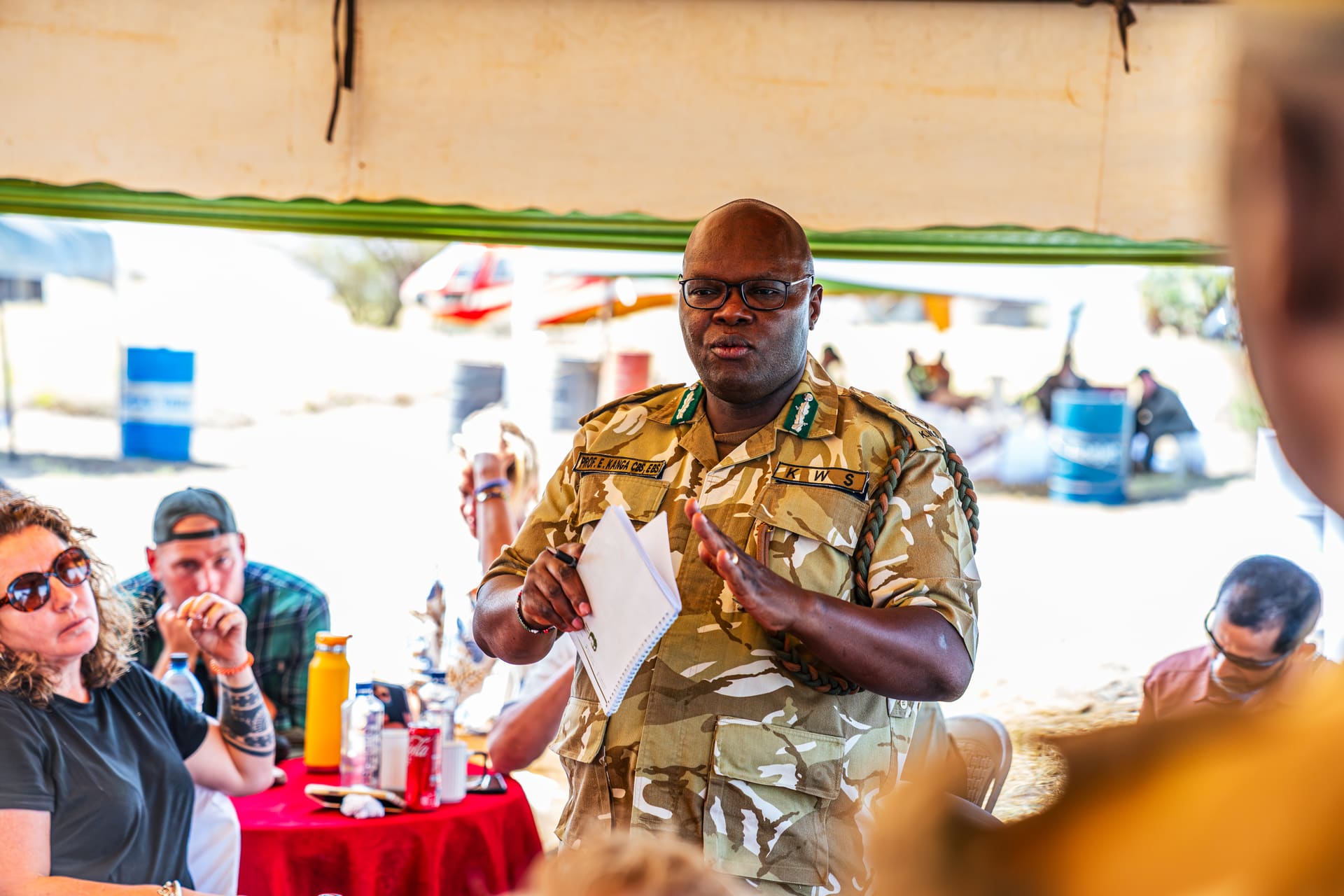
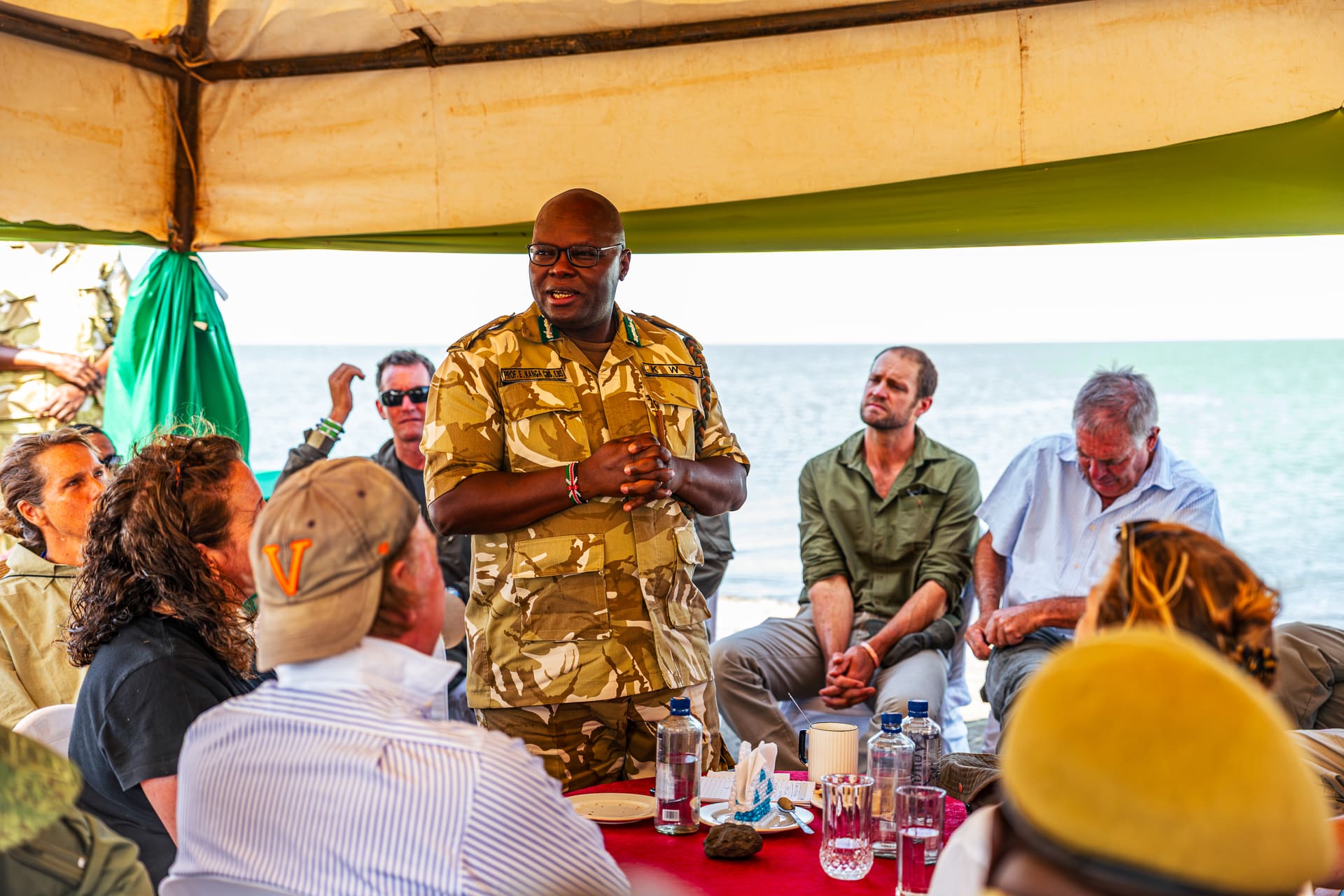
The strategy is phased: secure the foundations first — security, governance, and operational capacity — then build toward restoration, reintroductions, and a sustainable conservation economy. Four priorities shape the work.
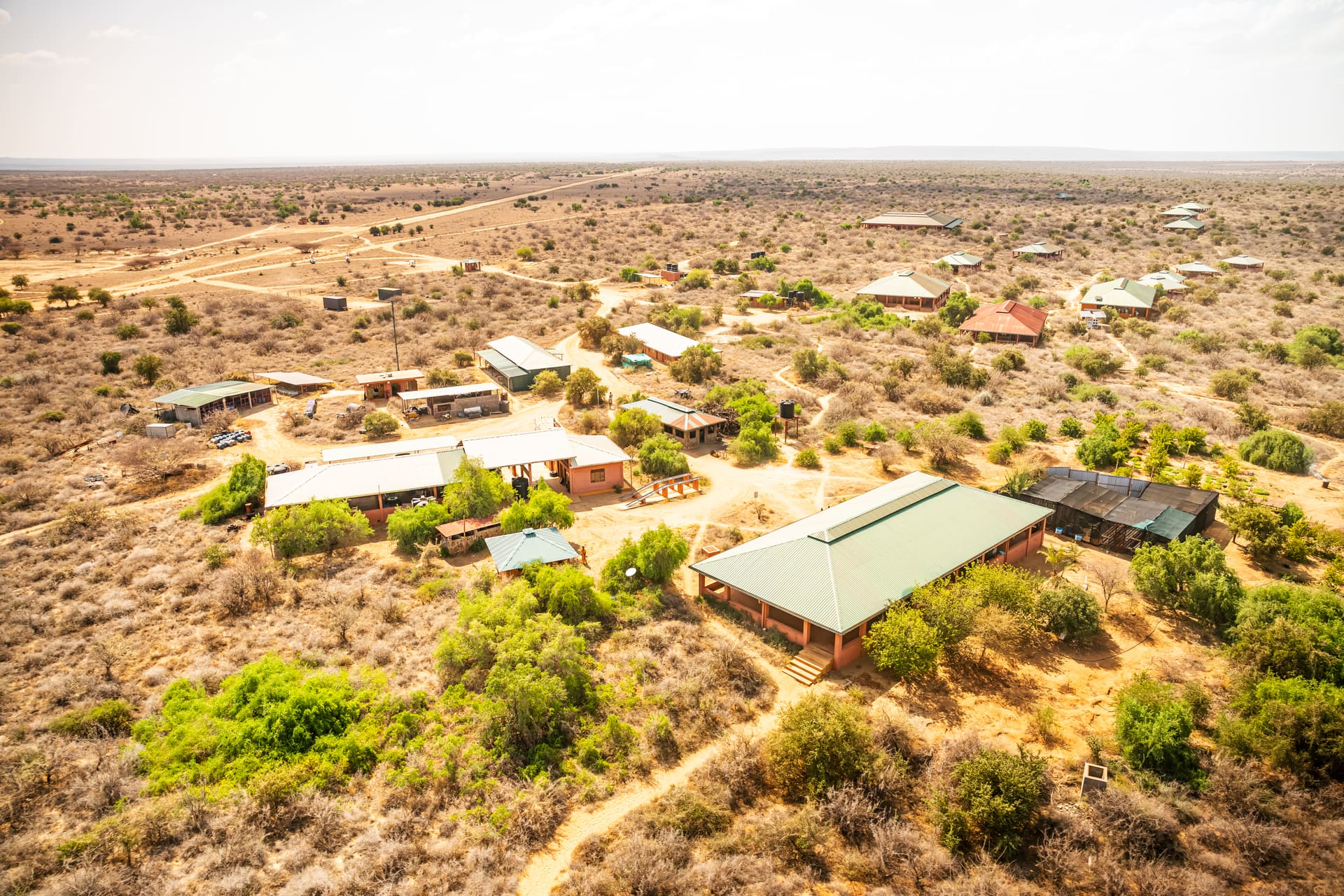
A new Sibiloi headquarters, joint operations centre, and network of ranger outposts — all supported with vehicles — will anchor protection across Sibiloi and Central Island. EarthRanger and real-time monitoring tie patrols, sightings, and incident response into a single system. Safe rangelands, crocodile nesting beaches, bird breeding sites, and fish nurseries are among the first priorities for defence.
Archipelagus and WildLandscapes East Africa support cross-community dialogues on water, grazing access, and security, and work with Community Land Management Committees to formalise governance of the rangelands that buffer the park. Community scouts train and patrol alongside KWS rangers to ensure peaceful integration.
Restoration of Sibiloi's degraded grasslands lays the foundation for the phased return of reticulated giraffe, Grevy's zebra, plains zebra, and Somali ostrich. Black rhino reintroduction sits on the longer horizon.
Conservation jobs — as rangers, scouts, monitors, and restoration crews — are designed to give local households a direct stake in the landscape's recovery. Improved water access, fisheries management, and the foundations for carefully scaled tourism connect conservation to daily life.
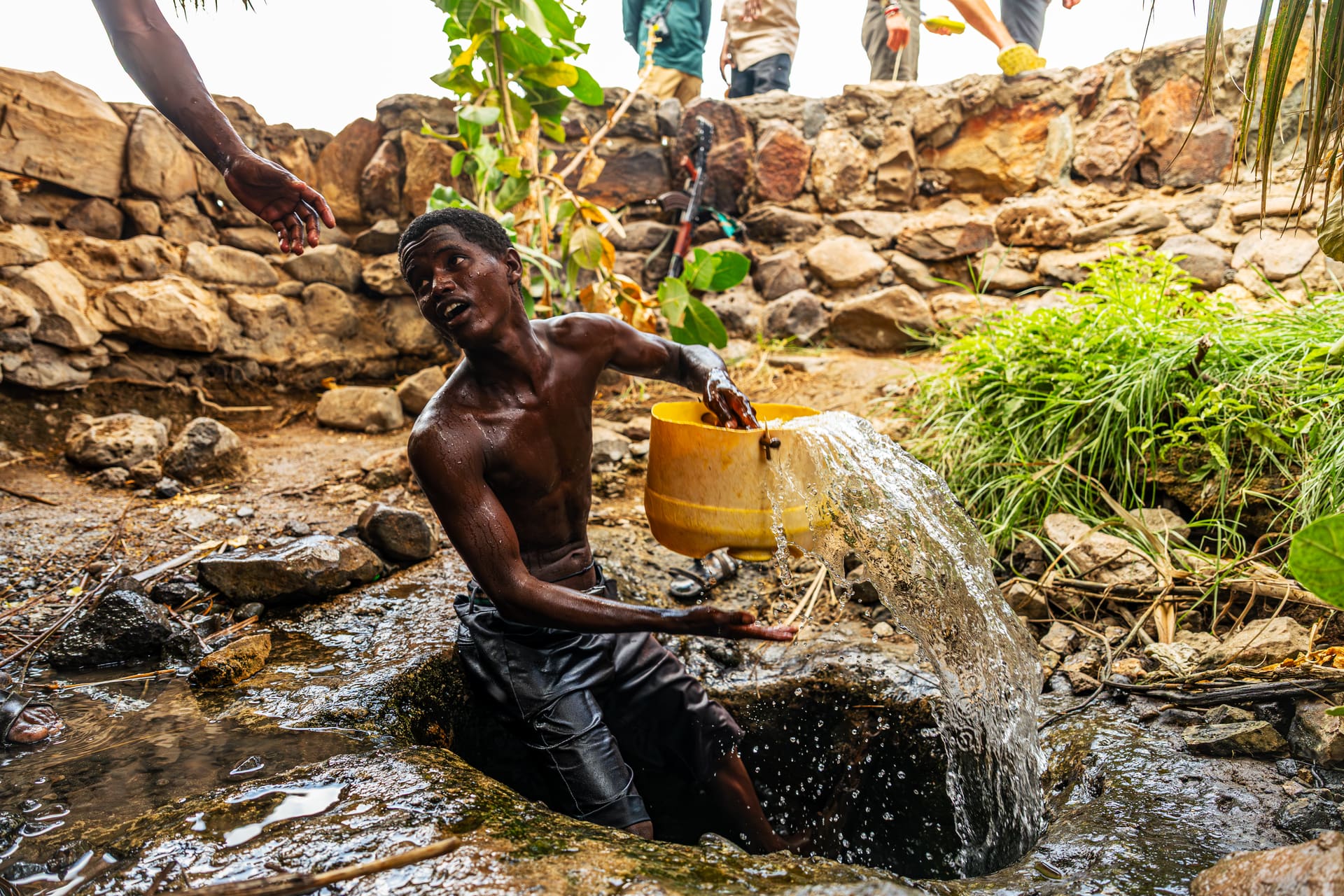
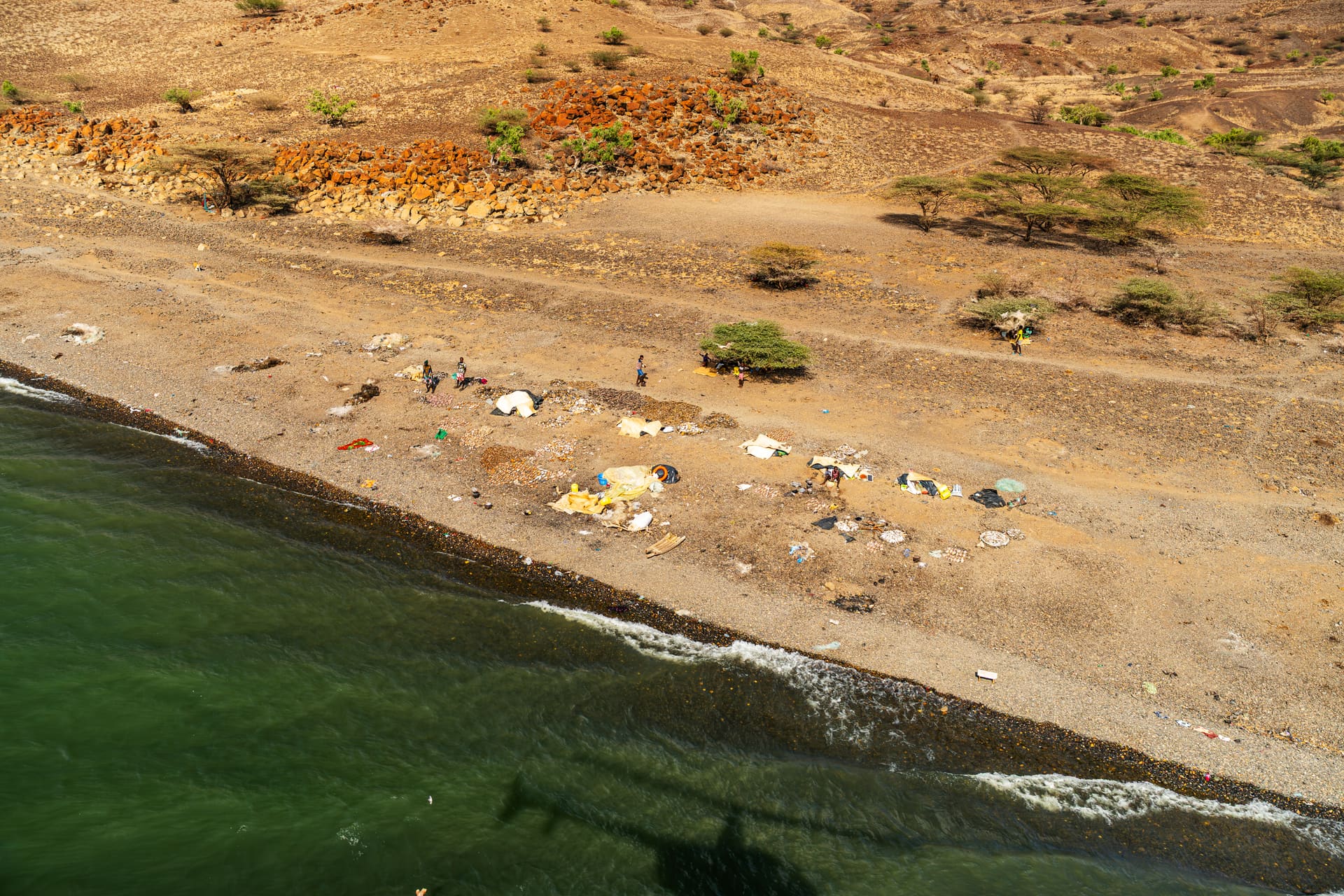
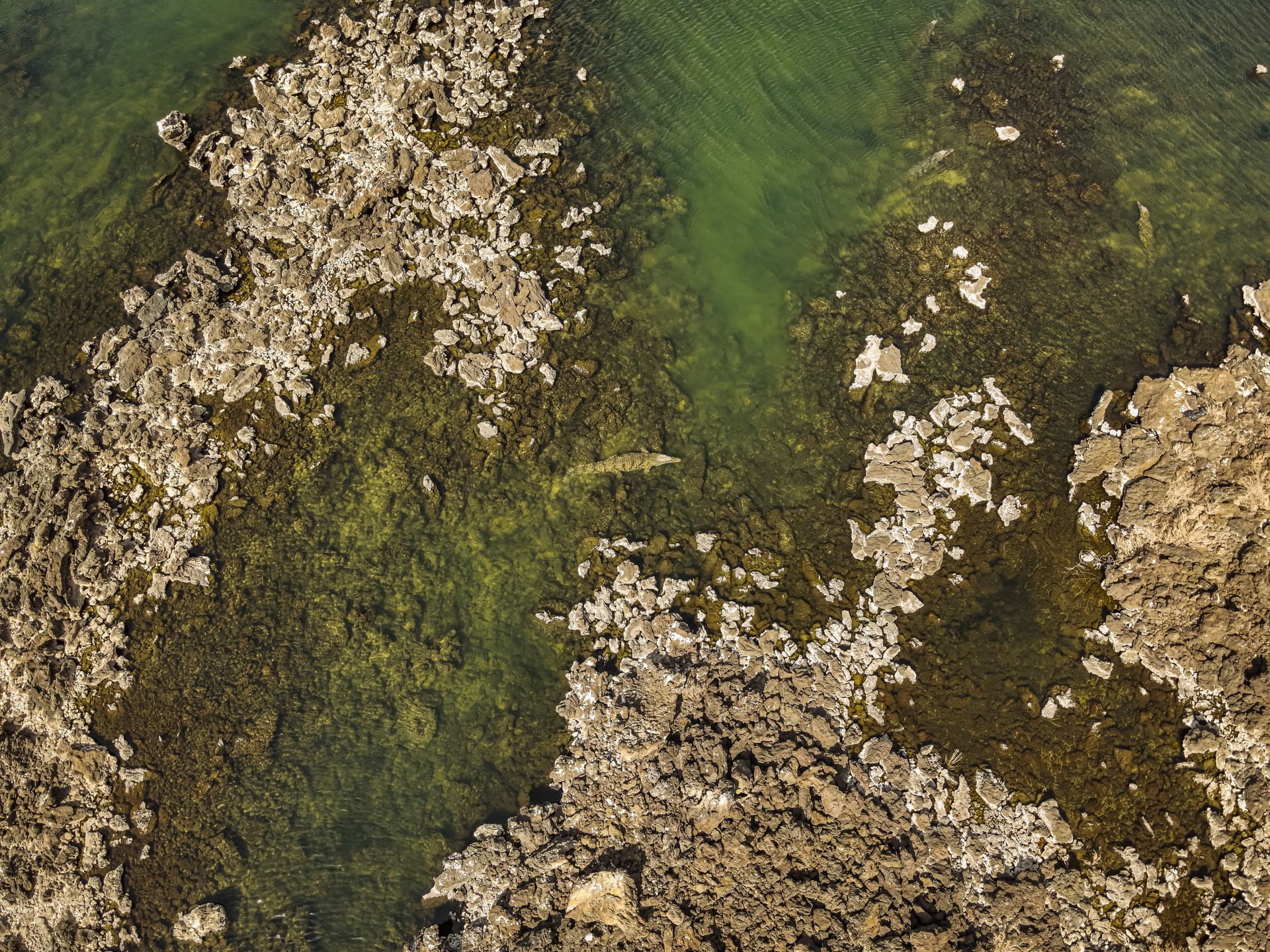
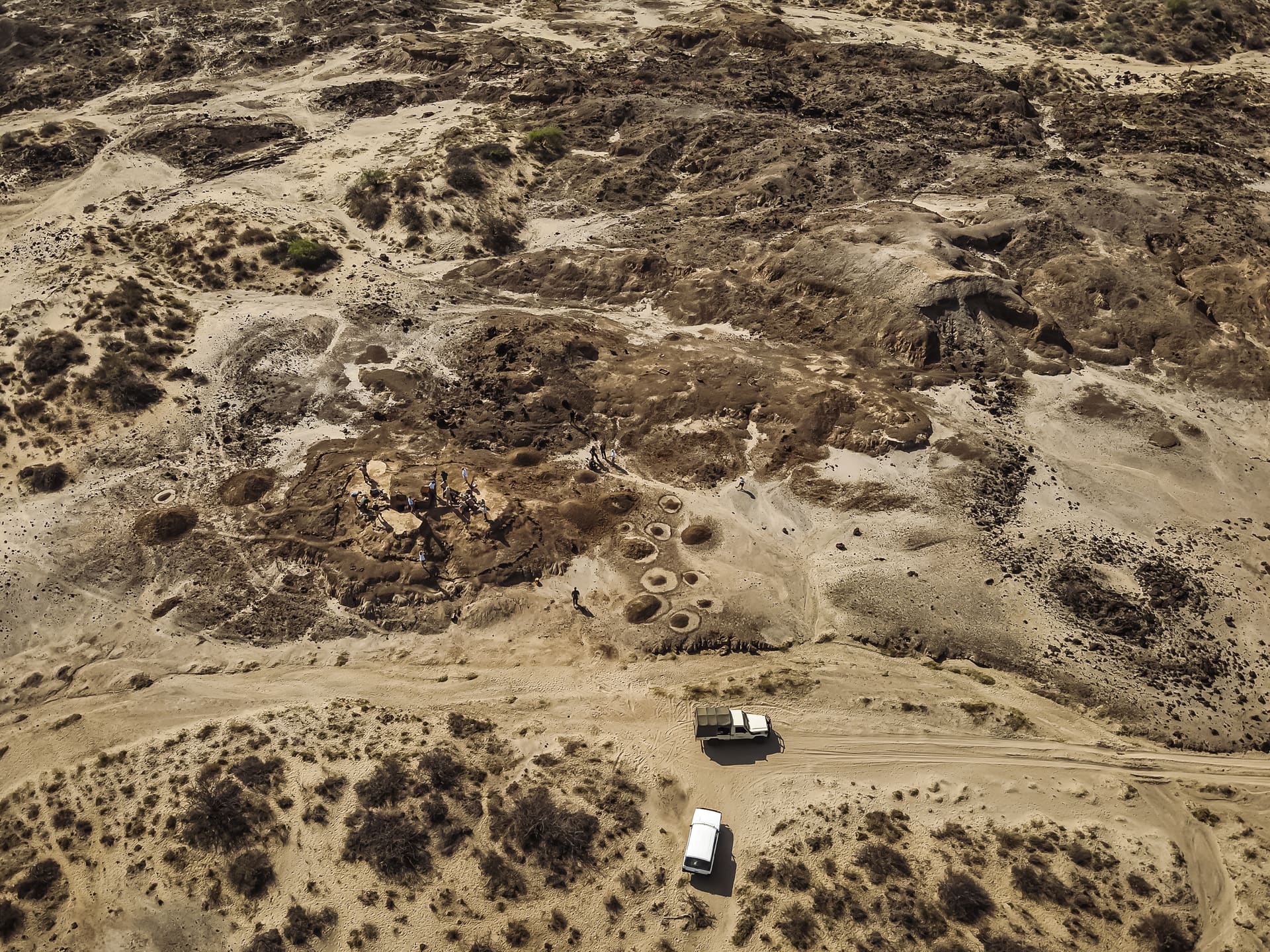
The Turkana Basin holds a near-continuous fossil record spanning almost seven million years of early human history. Three forces made that possible.
Sedimentation — the ancient lake's shifting shoreline buried animals rapidly, preserving their skeletons with extraordinary fidelity.
Tectonic activity — the Rift Valley's ongoing movement pushes those buried layers back toward the surface. Ash from eruptions covered and preserved the fossils.
Time — the basin has been doing this for millions of years.
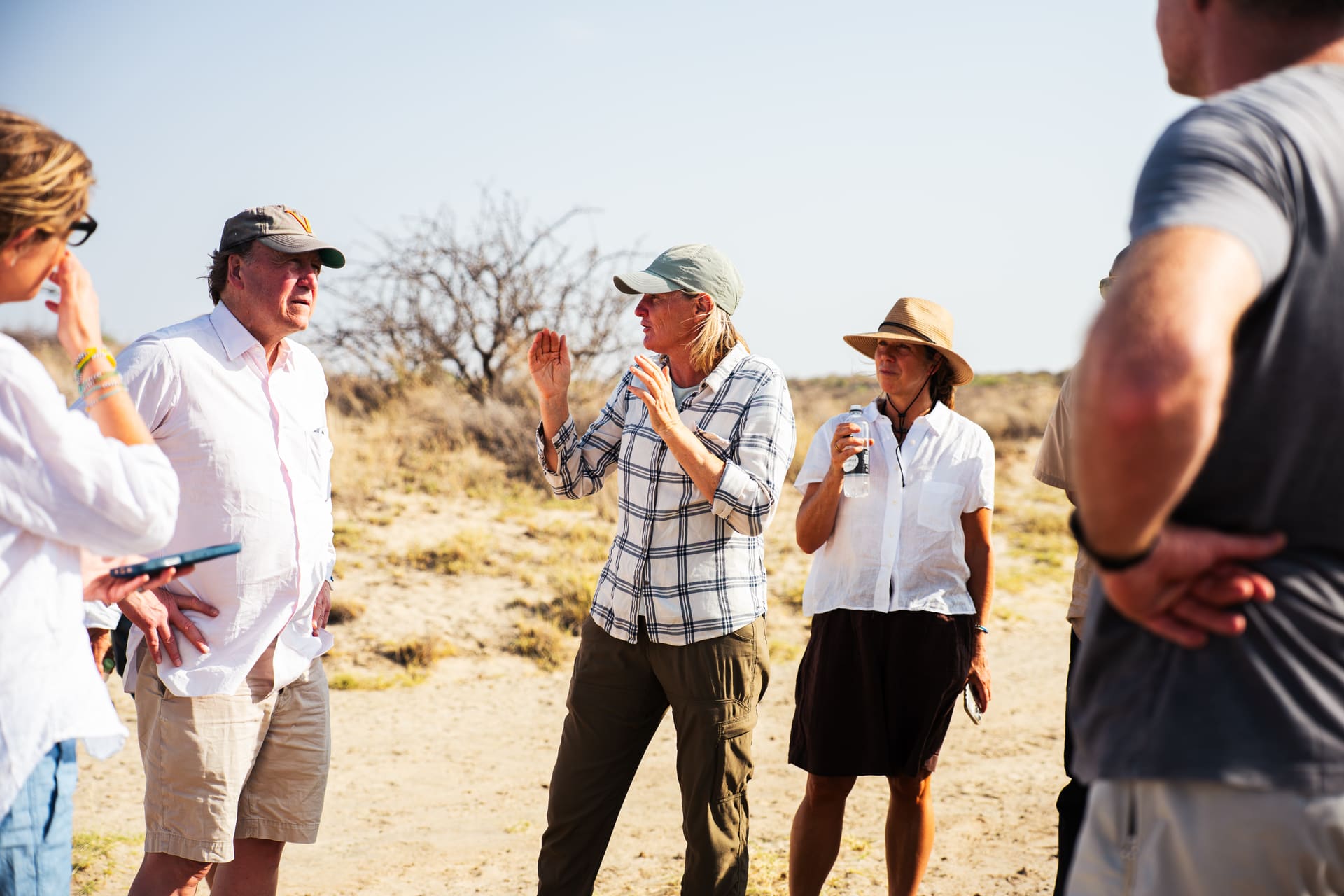
Mary and Louis Leakey first advanced the theory that humans' distinctive anatomy traces back to the shift to walking upright. Their son Richard and his wife Meave built the infrastructure that allowed the fossils of the Turkana Basin to be studied where they were found. Richard and Meave's daughter Louise now leads the work at Koobi Fora, focused on the bipedal ancestors at the root of the human family tree.
It is a very important time in the world to realize that we do have a common past and we have a common future.
Louise Leakey
Total protected parks and community lands
Sibiloi's Lake Turkana shoreline
Area of Sibiloi National Park
World Heritage Site — currently listed as 'in danger'